
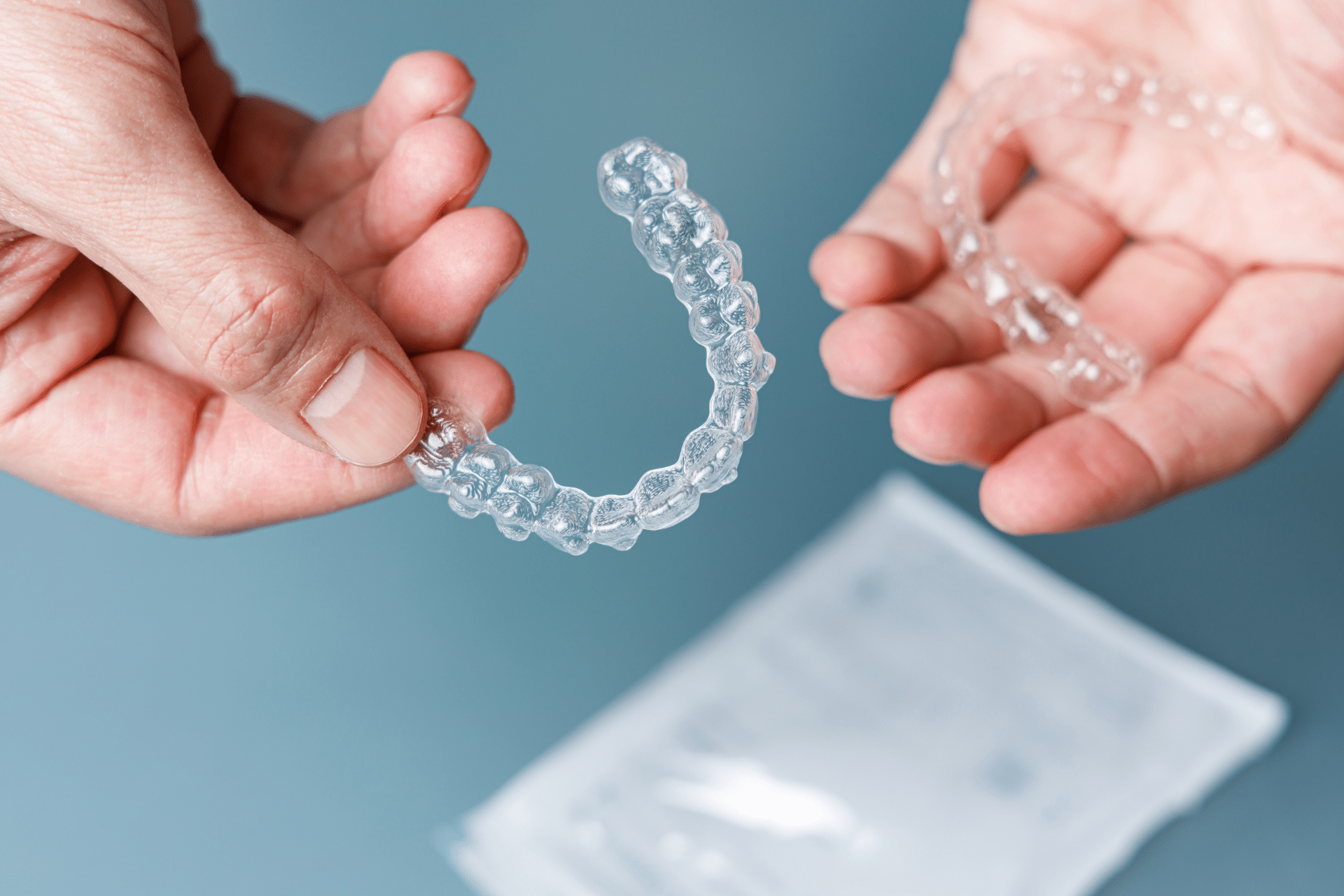
At Sosebee & Britt Orthodontics, Dr. Glenn Sosebee, Dr. Britt, and Dr. Pierpont Brown provide orthodontic care for patients in Oakwood, GA and surrounding communities. When they compare Invisalign and braces, they look at your alignment, bite, goals, and the type of correction you need.
These factors help explain why one option may work well for one patient while another patient may need a different plan.
Why Can Treatment Timelines Differ Between Patients?
Every orthodontic case starts in a different place. A patient with mild crowding may need fewer changes than someone with large spaces, rotated teeth, or a bite problem that affects several teeth.
The type of correction also matters. Some teeth may need to rotate, move forward or backward, or change their vertical position. Bite problems can also require changes in how the upper and lower teeth fit together.
Because of this, general estimates for Invisalign or braces cannot tell you exactly how long your care will take. Two patients using the same type of appliance may finish at different times because their needs are different.
Your orthodontist will also check how your teeth and the tissues around them respond during treatment. Some patients stay close to the original plan, while others need changes along the way.
The American Association of Orthodontists explains that the length of treatment can vary based on a patient’s needs and the amount of correction required. A personal estimate is more useful than a broad average.
When Might Invisalign Be Well Suited to Treatment?
Invisalign can work well when the needed changes are a good match for clear aligners. Some cases with crowding, spacing, alignment, or bite concerns may be treated with a planned series of removable aligners.
Each aligner is made for one stage of care. Patients move through the series as directed so their teeth can slowly shift toward the planned positions.
Because aligners are removable, wearing them as directed is very important. Taking them out for meals, brushing, and flossing is normal, but leaving them out too long can slow progress.
Some patients may also need extra aligners after the first series. These refinements can help adjust tooth positions or bite relationships when more correction is needed.
For patients whose needs are a good fit for aligners, Invisalign can offer a convenient treatment option. The timeline still depends on case complexity, how the teeth respond, and how often the aligners are worn.
When Might Braces Be Better Suited to a Case?
Braces may be a good fit when an orthodontist needs steady control during treatment. Brackets and wires stay on the teeth, so they keep applying pressure without the patient having to remove and replace an appliance.
This can help with major crowding, hard-to-correct rotations, vertical tooth changes, or more involved bite problems. Braces also let the orthodontist make changes as the teeth and bite improve.
Fixed braces remove daily aligner wear as a factor, but patients still have an important role. Caring for the appliance, keeping the teeth clean, attending visits, and wearing elastics when prescribed can all affect progress.
Braces are not always faster just because they stay in place. A complex case may still take more time. Broken brackets, missed visits, or not wearing elastics as directed can also cause delays.
The right choice depends on what needs to be corrected and which appliance gives the orthodontist the control needed for that case.
How Can Daily Habits Affect Treatment Time?
Daily habits can affect whether orthodontic care stays close to the planned schedule. Invisalign and braces require different routines, but both work best when patients follow instructions.
With Invisalign, patients need to wear their aligners as directed each day. Forgetting to put them back in, losing trays, or delaying tray changes can slow progress.
Braces stay in place, but they still need care. Broken brackets or damaged wires may need to be fixed before treatment can continue as planned. If elastics are part of the plan, wearing them as directed can also help with bite correction.
Regular appointments matter with either option. These visits let the orthodontist check progress, make changes, and deal with concerns before they cause longer delays.
What Should You Know Before Comparing Treatment Time?
Neither Invisalign nor braces is faster for every patient. The better question is which option can meet your orthodontic needs while supporting a healthy and stable result.
Treatment time is only one part of the choice. Your bite, alignment, daily routine, and the amount of correction needed can all affect which approach makes the most sense.
A shorter timeline should not be the only goal. Your teeth need time to respond, and your orthodontist needs to watch how your alignment and bite change during care.
Instead of choosing an appliance based on general averages, it is more helpful to get an estimate based on your own teeth and bite. This gives you a clearer idea of what your care may involve and what could affect the schedule.
Ready to Take the Next Step Toward a Healthier Smile?
If you are thinking about orthodontic care, the first step is learning what your smile needs. An evaluation can find alignment and bite concerns, explain your options, and give you a better idea of what your treatment timeline may look like.
At Sosebee & Britt Orthodontics in Oakwood, GA, Dr. Glenn Sosebee, Dr. Britt, and Dr. Pierpont Brown can evaluate your smile and recommend a treatment plan based on your needs and goals.
Schedule a consultation today to learn more about your options and take the next step toward a healthier, more confident smile.